Free Days Out UK: Your Guide to Exploring on a Budget
Discover a wide range of free days out across the UK with this handpicked guide to the best cost-friendly...






by Rob Hayes / Day Out Guides
The UK is home to towns and cities of all shapes and sizes, but have you ever wondered where the smallest ones are?
From historic cities with just a few thousand residents to some of the newest cities in the country, let’s explore some of the smallest cities in the UK, their history and what they have to offer for visitors and holidaymakers staying here on a city break.
Keep scrolling to uncover the smallest UK cities, ranked by size and population…
• Smallest UK Cities
• UK Small Cities: FAQs
Population (est.): 1,600
Size: 0.23 square miles
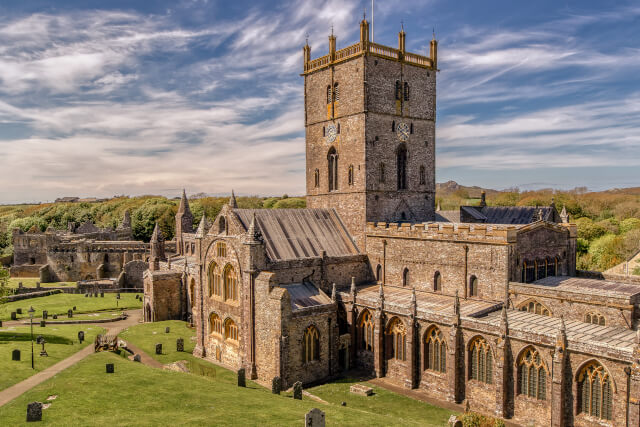
The smallest city by population in the UK is St Davids, found in the county of Pembrokeshire in South West Wales. First granted city status in the 1100s, it was lost in 1886 before being restored by the queen’s request in 1994.
Whilst visiting, be sure to stop off at the cathedral and the Oriel y Parc Gallery & Visitor Centre before taking a short drive south towards the coast to visit the lovely Caerfai Beach.
Population (est.): 3,500
Size: 0.5 square miles
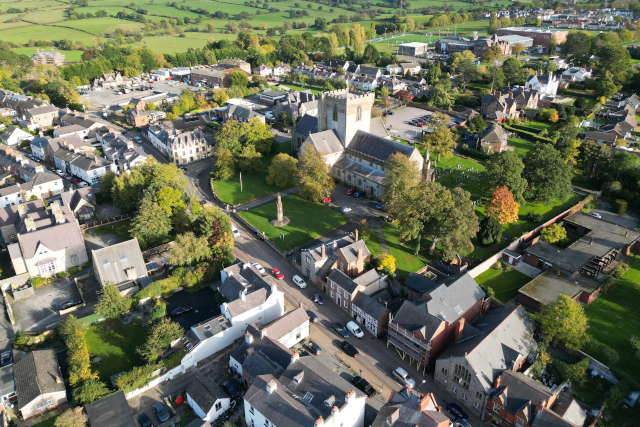
First granted city status in 2012 as part of the queen’s Diamond Jubilee celebrations, St Asaph is only 2.5 square miles in size, making it the third smallest city in the UK.
Found just off the A55 in the county of Denbighshire in North Wales, it’s home to a historic cathedral and a handful of cafes and restaurants, making it a great place to stop off on a road trip.
Population (2022): 10,847
Size: 1.12 square miles
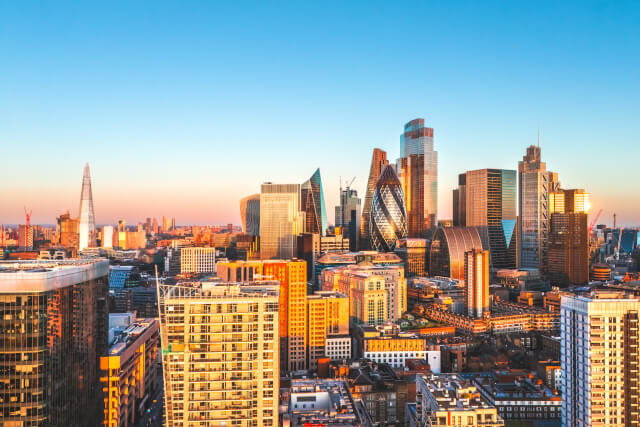
Officially the smallest city in England by size is the City of London. Often referred to as ‘the square mile’, it forms just a small part of the wider region of Greater London and is predominantly known for being the financial heart of the city. As a result, despite having a population of less than ten thousand people, around half a million people commute here every day!
Whilst the border might not feel clearly defined, there’s a great tradition called “Beating the Bounds” that takes place in the city once every seven years. Ran as a fun community event, it involves officials and volunteers ‘beating’ landmarks and boundary markers with sticks, a practice that dates back to Anglo-Saxon times.
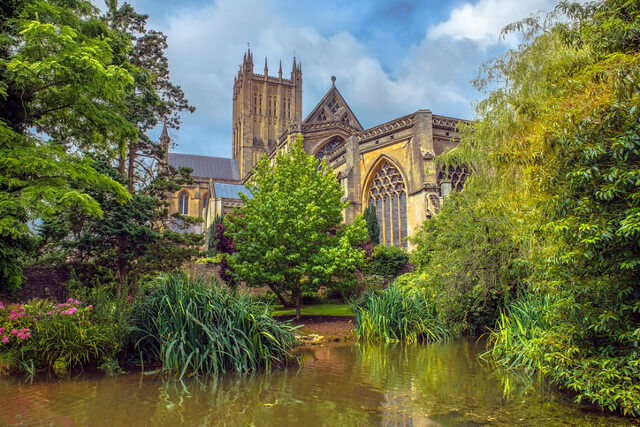
Population (est.): 10,000
Size: 1.35 square miles
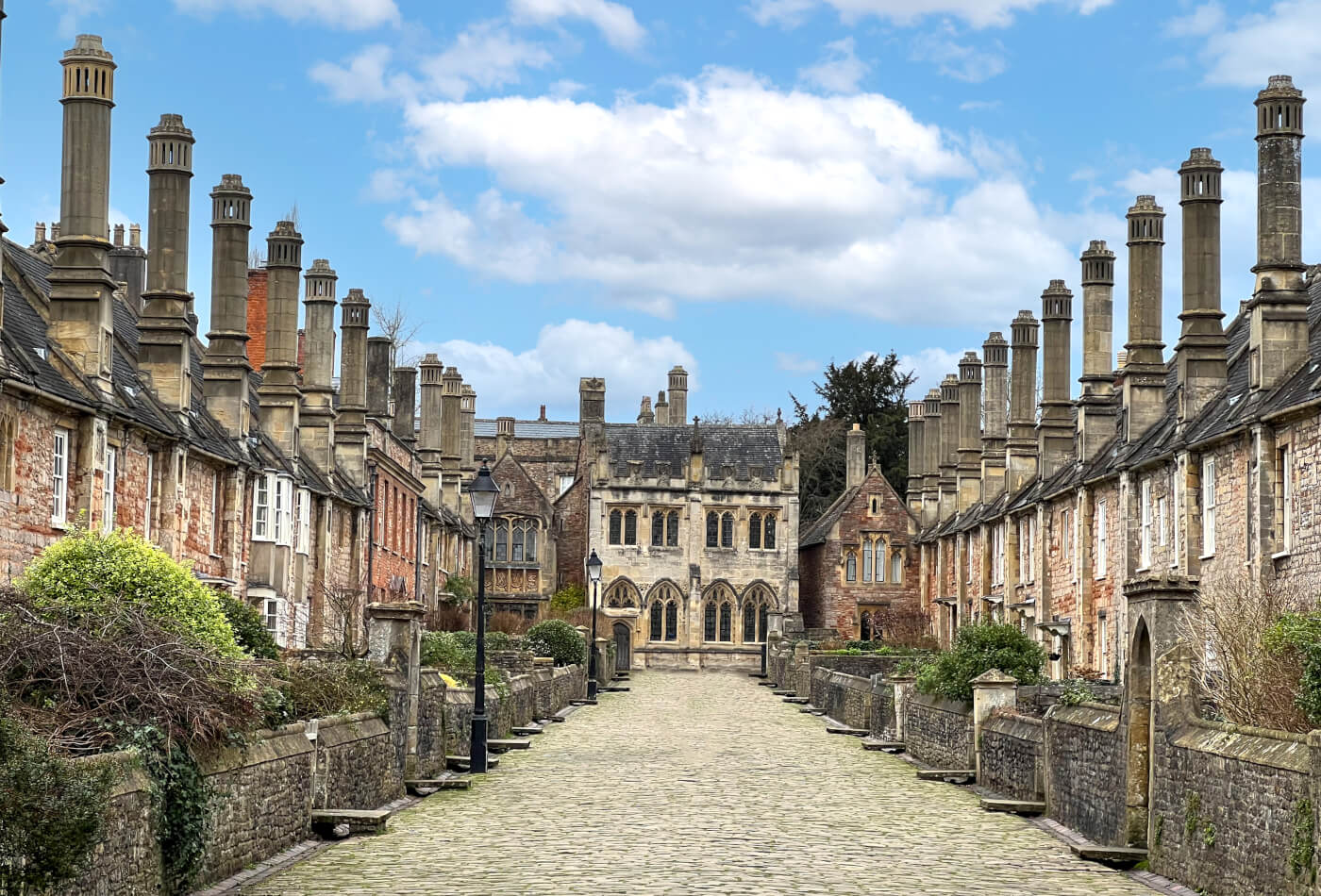
Next up is the second smallest city in England, being Wells in Somerset. Home to the oldest residential street in Europe (Vicar’s Close, pictured), it’s a place that, like many of the smallest cities in the UK, boasts a rich history and lots of unique and interesting architecture.
Whilst here, be sure to make time to explore the wonderful Bishops Palace and Gardens before taking a tour of the cathedral and a wander down the historic high street, where you’ll find lots of great places to eat, drink and shop.
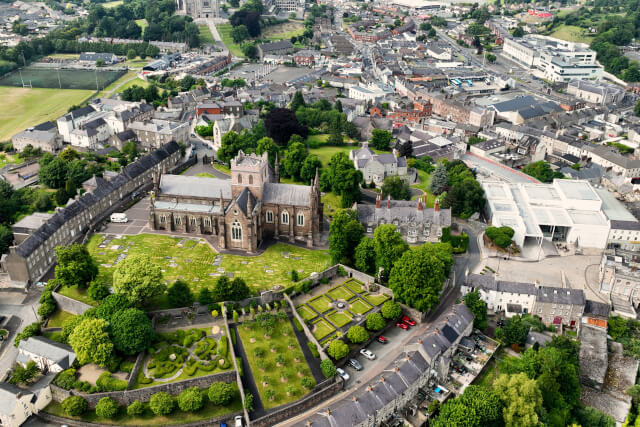
Population (est.): 16,000
Size: 3.97 square miles
Found just a few miles from the Irish border, the county town of Armagh is both one of the smallest cities in the UK and the smallest city in Northern Ireland. Home to two impressive cathedrals, it’s known for being the ecclesiastical capital of Ireland and the seat of both the Roman Catholic church and the Church of Ireland.
First granted city status back in 1994 along with St Davids in Wales, its urban area covers just under 4 square miles and is the only city in all of Ireland that doesn’t have its own train station.
However, if you do manage to find yourself here on a day trip, there’ll be plenty for you to see and do. For example, the Armagh Planetarium and Observatory is well worth a visit, as is the city’s two cathedrals, both of which share the same name!
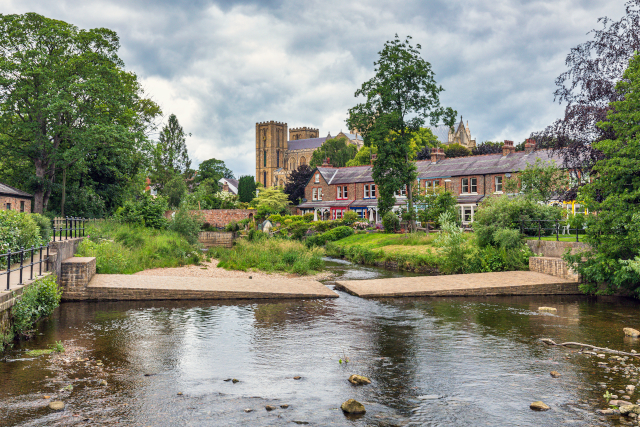
Population (est.): 16,700
Size: 1.97 square miles
The first (and only) northern location on this list of the smallest UK cities is Ripon, which is officially the third smallest city in England.
Found in the beautiful county of North Yorkshire, it’s often regarded as one of the region’s best-kept hidden gems, as many tourists tend to flock to other nearby cities such as York and Leeds.
However, despite its small size, Ripon still has plenty to offer if you find yourself here on a day trip or your next staycation!
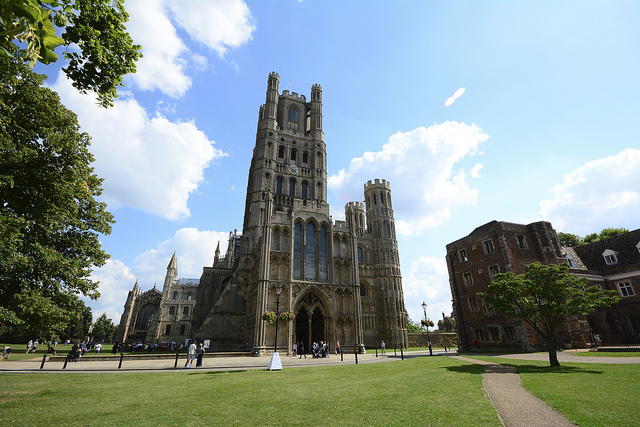
Population (est.): 20,000
Size: 69 square miles
Also known for its rich history and for being one of the smallest cities in the UK is Ely, found in the heart of Cambridgeshire’s wide-open countryside. Once home to an impressive abbey that was first build here in the 600s, Ely was actually an island city when it was first founded, giving the surrounding area the name “Isle of Ely”.
Although the name carried over all the way into the 20th century, the city ceased to be an island when extensive flood prevention work took place in the region during the 17th century.
Whilst visiting the city on a day trip, be sure to make time to explore the cathedral and the lovely grounds that surround it before hopping onto the High Street to stop off at one of its many pubs, cafés or restaurants.
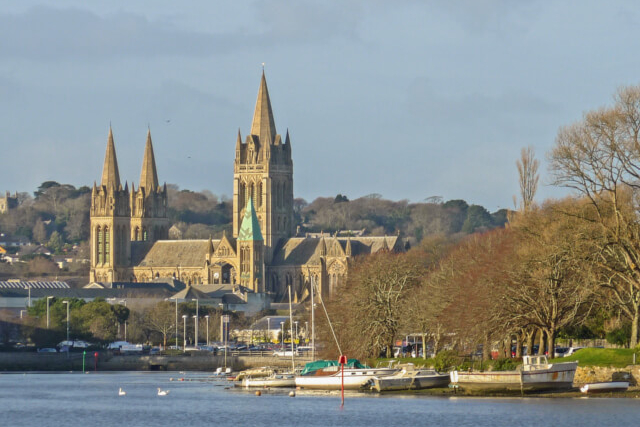
Population (est.): 23,000
Size: 2.83 square miles
Known for being the one and only city in the southwestern county of Cornwall, Truro sits just a few miles inland from the beautiful South Cornwall coast and has long been known as one of the smallest cities in the UK. Once the beating heart of the Cornish tin mining industry, Truro first gained its city status in 1877, but had long been one of Cornwall’s largest settlements for many centuries beforehand, being one of the county’s main ‘stannary towns’.
Although the tin mining industry has all but disappeared from Cornwall, Truro is still has an important role as the county town and a popular place for visitors to explore on a day trip. If you happen to find yourself here and looking for something to do, then we’d highly recommend heading over to the Cornwall Museum & Art Gallery to learn all about the city and surrounding area.
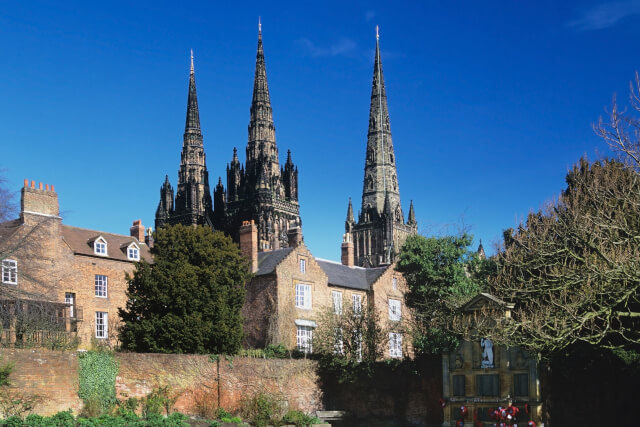
Population (est.): 32,500
Size: 5.41 square miles
Ending in the West Midlands, the final place on this list of the smallest cities in the UK is Lichfield in the county of Staffordshire. Found in the southern part of the county just a few miles away from the much larger city of Birmingham, it was first settled and built up as a Roman fort in the year 50 A.D.
Like many other cities in the UK, it fell into decline after the Romans left Britain in the 5th century before undergoing a period of revival, with its impressive cathedral beginning construction in the year 700 A.D.
Today, the city retains much of its historic charm and character, which you can immerse yourselves in by visiting the impressive cathedral and attractions like the Erasmus Darwin Museum, dedicated to the life of one of its most famous residents.
By size, the smallest city in the UK is the City of London, which is 1.12 square miles. The City of London is also a county in its own right, also making it the smallest county in the UK.
Before 1889, a town needed to have a cathedral in order to be eligible for city status. However, this was phased out over the course of the 20th century. Today, there are a number of cities in the UK don’t have cathedrals, such as Bath, Hull, Lancaster and Stoke-on-Trent.
Stirling is the smallest city in Scotland, with a population of over 45,000 and 7.9 square miles in size.
Armagh is Northern Ireland’s smallest city, with a population of over 16,000 and 3.9 square miles in size.
St Davids is the smallest city in Wales, with a population of around 1,600 and 0.23 square miles in size.
City status can only be granted by the reigning king or queen. Whilst any town in the UK is eligible to bid for city status, they’re often only awarded during big royal celebrations, such as a jubilee.
The most recent selection of towns that were granted city status occurred during Queen Elizabeth II’s Platinum Jubilee celebrations in 2022. These were (amongst others): Bangor in Wales, Milton Keynes in England, Dunfermline in Scotland and Stanley in the Falkland Islands (a British Overseas Territory).
Fancy visiting one of the UK’s smallest cities yourself? Then there’s no better time to go than a sunny bank holiday weekend! Or, if you’re looking for other places to spend a couple of days away, then be sure to check out the best places to go for city breaks in the UK »
by Rob Hayes / Day Out Guides

I'm Rob and I joined the Sykes team in February 2024. I am a passionate writer and have always enjoyed holidays in the UK, especia...
Read More About Author
Sign up to receive exclusive offers, competitions and the latest news to your inbox, and you'll be entered into our monthly prize-draw 3 times!

Discover a wide range of free days out across the UK with this handpicked guide to the best cost-friendly...
You voted Rydal as the best autumn short break destination! So we've compiled a 48-hour itinerary full of the...
Halloween is creeping up on us! And what better way to celebrate the spooky season than by visiting some...
Are you on the phone to our call centre? Your Customer ID is:

Get involved in the Discussion